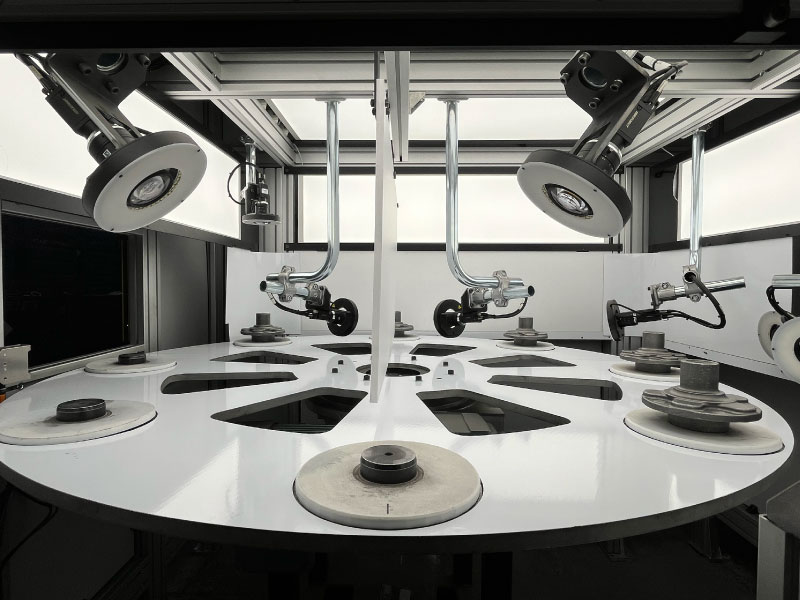
Problems in automotive parts inspection and verification

We address the real challenges of in-plant quality control processes and transform them into objective, automated, and traceable systems.

In the automotive industry, parts verification is a critical process that directly impacts quality, efficiency, and customer confidence.

However, many inspection processes still rely on manual methods, subjective criteria, and systems with limited analysis and traceability capabilities. At ElgarWorks Consulting, we help identify and resolve these problems from within the process itself, not just from the technology.
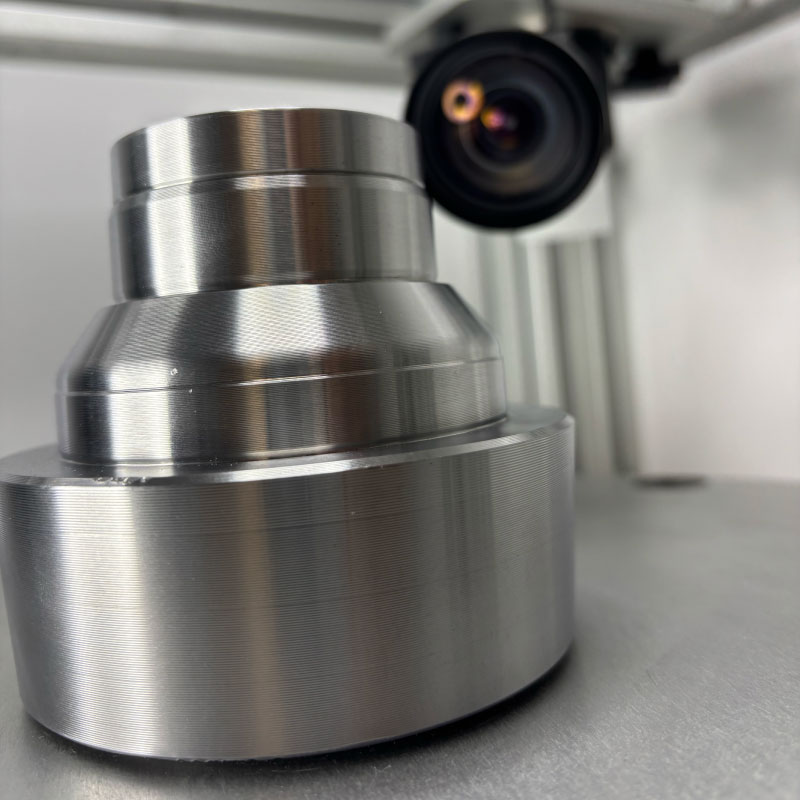
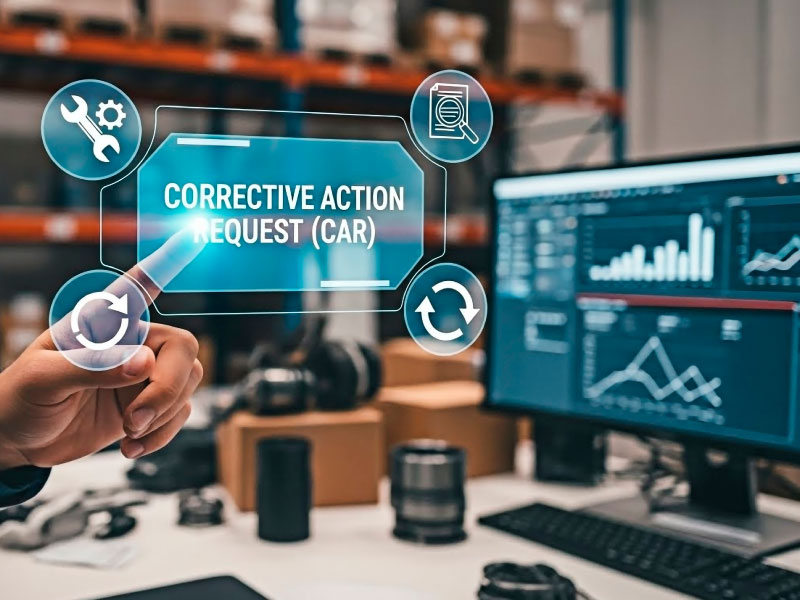
Common challenges in parts verification processes

  • Variability in result quality

    The lack of objective and repeatable criteria leads to inconsistent verification results, making it difficult to standardize quality control across shifts, lines, or plants.

  • Operational overload during production peaks

    In scenarios of increased demand, manual processes create bottlenecks in inspection, affecting production pace and resource planning.

  • Lack of reliable data for continuous improvement

    Without structured digital records, it is impossible to analyze trends, identify root causes, or implement improvements based on actual verification process data.

  • Delayed response to defects and deviations

    Late defect detection increases the risk of rework, scrap, or shipment of non-conforming parts, directly impacting costs and customer relationships.

  • Excessive dependence on individual knowledge

    Non-standardized processes rely excessively on the experience of specific individuals, making training, personnel rotation, and process scalability difficult.

Analyze the challenges of your verification process

If you recognize any of these problems, specialized consulting can help you define a more efficient, objective, and scalable verification system.

The direct impact on quality, costs, and efficiency

When these problems are not addressed from a strategic perspective, the consequences are directly transferred to daily operations:

  • Increased risk of undetected defects
  • Increase in rework and rejections
  • Difficulty meeting customer quality requirements
  • Loss of efficiency in the production line
  • Lack of reliable data for continuous improvement

Verification ceases to be a quality guarantee and becomes a bottleneck in the production process.

From operational problems to intelligent verification processes

At ElgarWorks Consulting, we address these challenges through a specialized consulting approach in quality control and parts verification automation.

We analyze how inspection is currently performed in the plant, identify critical points, and define improvement opportunities through automation, digitalization, and the use of artificial intelligence and machine vision.

Our goal is to transform verification into a process that is:

Objective and consistent

Automated and scalable

Traceable and data-driven

Adaptable to new part models

Results achieved in the plant

The application of intelligent solutions designed through consulting enables tangible results from the first moment of operation:

  • Real-time part classification
  • Elimination of subjectivity in inspection
  • Increased inspection capacity without additional costs
  • Greater confidence and transparency for the customer
  • Flexibility to incorporate new part models

These results do not depend on a single technology, but on a well-defined and properly automated verification process.