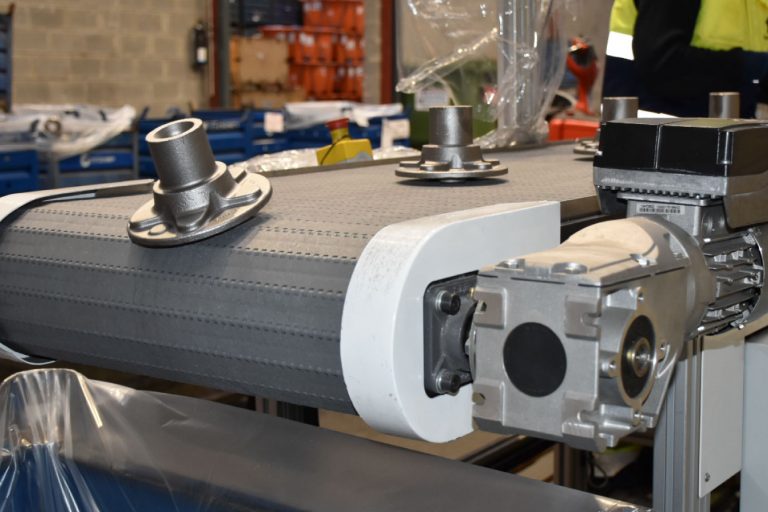
machine vision in part verification

Machine Vision Applied to Part Verification: What It Is and What It Is Not

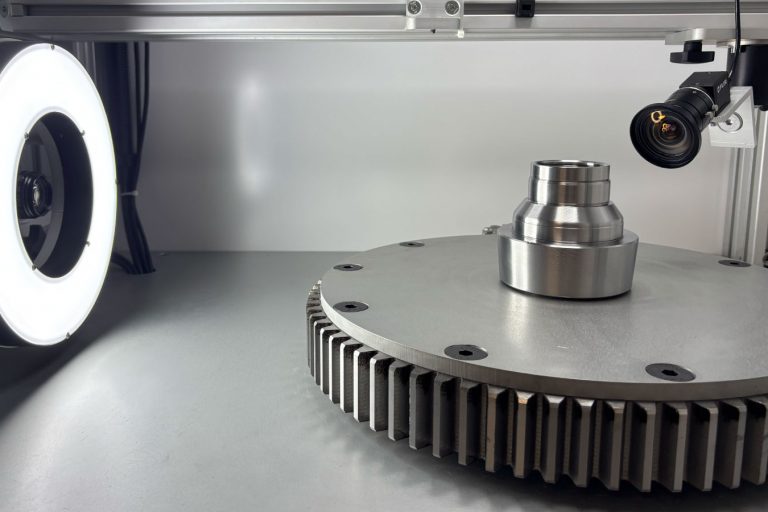
Machine vision in automotive is often associated with advanced systems capable of automatically detecting any defect. However, this perception oversimplifies a technology that, when properly applied, can be extremely powerful, but also requires a rigorous approach. Understanding what machine vision really is, and what it is not, is essential before considering its implementation in a…
Leer más
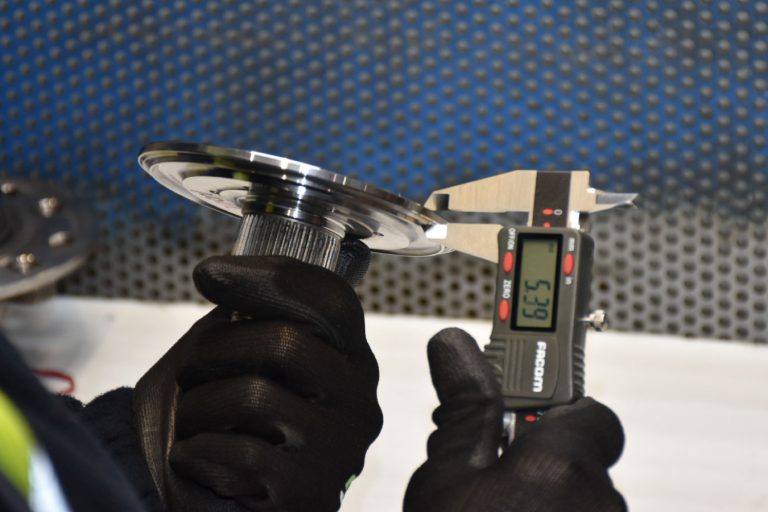
subjectivity in part verification

How to eliminate subjectivity in industrial part verification

In the automotive industry, quality leaves no room for interpretation. However, in many verification processes, the decision on whether a part is compliant still depends on human judgment. Subjectivity is not always obvious, but its effects are: differences between shifts, inconsistent rejections, or internal discrepancies that affect process stability. Eliminating subjectivity does not mean eliminating…

Leer más
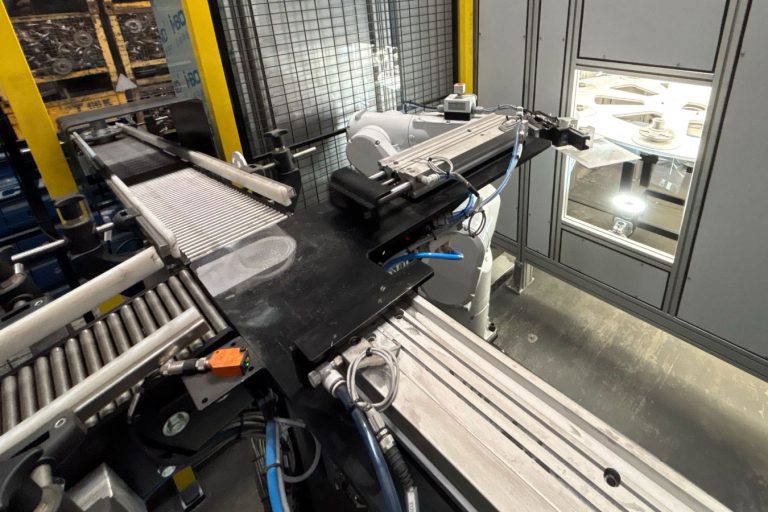
manual visual inspection in automotive

Why Manual Visual Inspection Limits Quality Control in the Automotive Industry

For decades, manual visual inspection has been the most widespread method for verifying automotive parts. Its apparent simplicity and low initial cost have made it a common solution in production processes with high quality standards. However, in today’s industrial environments, characterized by higher volumes, multiple references, and traceability requirements, manual inspection is beginning to show…

Leer más